How to Clone a Weed Plant

If you’re growing at home and want to learn how to clone marijuana, you’re in the right place. Cloning lets you create a new plant from a healthy existing one. This blog post will walk you through cloning a cannabis plant step by step, and also touch on how cloning fits into growing marijuana broadly. After reading, you’ll feel confident—and you’ll know when to shop for quality goods like cannabis seeds or gear at your trusted dispensary like Get Kush.
What Does “Clone” Mean in Cannabis Growing?
In the context of growing marijuana, a clone is a cutting taken from a healthy cannabis plant that is encouraged to grow roots and become a new plant. It has exactly the same genetic material as the original plant, so it will grow the same way, produce similar buds, and have the same cannabinoid profile.
Cloning is different from planting new seeds. When you use seeds, you’re relying on germination and you may not know exactly how the offspring will turn out. With a clone, you already know the traits.
This article covers cloning within the larger topic of how to grow weed, and how it intersects with your use of seeds, plants, and growing techniques.
Why You Might Choose to Clone Instead of Relying Only on Seeds
Here are key reasons why growers clone their plants:
- Genetic consistency: A clone from a strong plant replicates all its traits: growth rate, flavour, potency.
- Time savings: Clones skip the germination phase that seeds go through. So you move faster to the vegetative phase.
- Guaranteed female plants: If you clone a female plant, you know what you’re getting—no surprises from seeds.
- Cost-effective in the long run: Once you have a good mother plant, you can clone it rather than buying new seeds.
Of course, cloning isn’t without challenges: if the parent plant has pests or disease, those will carry over. Also, using only clones means less genetic diversity.
Step 1: Choose the Right Mother Plant
To start cloning successfully, you need a healthy “mother” plant. Here’s how to select one.
What to look for:
- A vigorous, healthy cannabis plant free of pests and disease.
- A plant that is in the vegetative stage (growing leaves and stems) rather than flowering. Clones root more easily when taken during vegetative growth.
- A plant that exhibits traits you want to replicate (yield, aroma, flavour, growth habit). Cloning passes those traits on.
Avoid:
- Stressed or weak plants. A stressed mother will likely yield weak clones.
- Plants that show signs of disease or mould. These issues can propagate.
- Randomly picking if you want consistent results—the idea is to pick your best performer.
Step 2: Gather Your Tools and Prepare the Environment
Here’s a list of tools and conditions you’ll want to set up before taking cuttings. This helps make cloning reliable and smooth.
Essential Tools & Setup:
- Sharp, sterile pruning shears or razor blade (for clean cuts).
- Rooting hormone (gel, powder, or liquid) to stimulate root production.
- A rooting medium: starter cubes (rock-wool, peat plugs), or a moist substrate.
- Humidity dome or some way to maintain high humidity around the cuttings.
- Gentle grow lights (fluorescent or low-intensity LED) and stable temperature/humidity.
- Clean environment (sanitised tools, no contaminants). Good airflow but avoid drying the cutting out.
Step 3: Taking the Cutting (The Clone)
Now you’re ready to actually take a cutting from your mother plant.
How to do it:
- Select a branch on the mother plant that has at least one or two nodes (where leaves or branches attach).
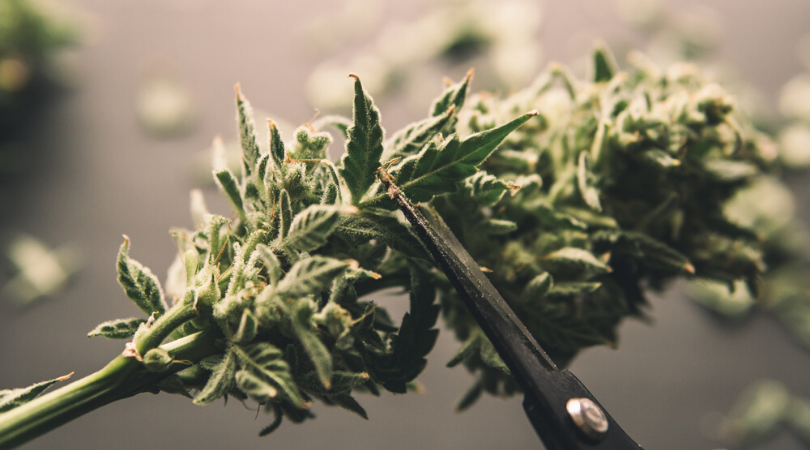
- Use a clean, sterile razor or shears and make a diagonal cut just below a node. A 45-degree angle helps.
- Immediately apply rooting hormone to the cut end. This will stimulate root growth and reduce infection risk.
- Remove lower leaves so that the cutting has minimal foliage (to reduce water loss) while leaving a few healthy leaves to allow photosynthesis.
- Insert the cutting into the prepared rooting medium (cube, plug, or moist substrate) so that at least one node is buried or in contact with the medium. Firm gently.
Step 4: Caring for the Clone Until Roots Develop
After you’ve taken the cuttings, you need to care for them carefully until they develop roots and are ready to be treated like a full plant.
Environment and care:
- Maintain high humidity (around 70-80% relative humidity) so the cutting doesn’t dry out.
- Keep temperature stable—around 20-25°C (68-77°F) is ideal for rooting.
- Use low-intensity lighting (e.g., fluorescent or gentle LEDs). Too much light too early can stress the clone.
- Mist the leaves once or twice daily if needed to keep humidity up, especially if you don’t have a dome.
- Keep the medium just moist—not waterlogged—to avoid rot. Good airflow is also helpful.
Rooting timeframe:
Most clones root in about 7–14 days under good conditions. Some may take up to 3 weeks depending on strain and conditions.
Step 5: Transplanting and Moving On to Growing
Once you see a good root system and healthy growth, you can transplant your clone and continue growing your cannabis plant.
When to transplant:
- When the roots are visibly emerging from the medium or are well-established.
- When the clone is showing strong leaf growth and is no longer simply surviving but thriving.
How to transplant:
- Prepare your soil or growing medium (or hydroponic system) and make sure it’s well watered and aerated.
- Gently place the clone in the medium, making sure not to damage the roots.
- Keep humidity high for a few days after transplant to reduce shock.
- Gradually adjust to your regular light and nutrient schedule for your growing phase.
Integrating Cloning Into Your Growing Cycle (How to Grow Weed)
Cloning is just one piece of the larger process of growing marijuana from start to finish. Here are a few ways cloning fits into your entire grow:
- Starting with cannabis seeds: Many growers begin with seeds, which gives genetic diversity and a fresh start. Cloning complements this by preserving the best performers.
- Vegetative stage: After a seedling develops, it enters the vegetative stage (leaf and stem growth). Clones skip part of this because they come from mature tissue.
- Flowering stage: Once your plants are ready, you induce flowering (via light cycle change) to produce buds. Cloned plants should behave similarly to their mother.
- Seed-to-harvest: Whether from a seed or a clone, you ultimately aim for healthy buds. Cloning often gives you a more predictable crop.
When you’re shopping for cannabis seeds or preparing your grow setup, remember: clones and seeds both have a place—and a dispensary like Get Kush is a good stop for gear, information, and support.
Tips to Improve Cloning Success
Here are extra pointers to boost your chance of success when you clone a cannabis plant:
- Take more cuttings than you think you need. Some will fail.
- Label your clones and track their origin so you know which mother plant produced which batch.
- Keep the mother plant healthy and well maintained—her condition determines clone quality.
- Use clean tools and a clean workspace to avoid contamination and disease.
- Don’t rush the clone into full light or low humidity; let it adjust gradually.
- If you’re also using seeds in your grow, compare how clones perform vs seedlings—it helps you decide what works best for you.
Cloning vs. Growing from Seeds: Which Should You Use?
Both methods have pros and cons. Here’s a quick comparison:
Cloning
- Pros: consistent genetics, faster growth, known female plants.
- Cons: requires a good mother plant, risk of inherited issues, less genetic diversity.
Growing from seeds
- Pros: fresh genetics, more variety, good opportunity for beginners to learn.
- Cons: need to germinate, sex the plants (if not feminized) to avoid males, slower start.
Many successful growers use a mix: start with seeds, identify top performers, then clone those to build a reliable crop. That way you combine the best of both worlds.
Final Thoughts
If you’ve followed this guide, you now know how to clone marijuana and how cloning fits into the broader process of growing marijuana and working with cannabis seeds. By choosing a strong mother plant, preparing your environment, taking and caring for cuttings, and transplanting and growing them out, you can build a consistent garden of cannabis plants that reflect the traits you like.
If you’d like more guidance, gear, or seeds to get started, head over to GetKush.cc—where you’ll find helpful resources for growers just like you.
Happy growing, and may your next crop thrive.
References
Haze, N. (2025). Picture Guide to Cloning Marijuana. Available at: https://www.growweedeasy.com/cloning-marijuana-guide
Corroon, J., ND, MPH. (2025, November 4). How to Clone Cannabis. Available at: https://www.wikihow.com/Clone-Cannabis
Dr. Leslie Lars Iversen, CBE FRS MAE
If you’re growing at home and want to learn how to clone marijuana, you’re in the right place. Cloning lets you create a new plant from a healthy existing one. This blog post will walk you through cloning a cannabis plant step by step, and also touch on how cloning...
How to Cure Cannabis at Home: Step-by-Step Guide for Flavour, Potency & Long-Term Storage

Why Curing Cannabis Matters
Drying cannabis prevents mold, but curing perfects it. Proper curing enhances aroma, smoothness, potency, and longevity. Without curing, buds may taste grassy, burn harsh, and lose potency faster.
Benefits of Proper Curing
- Better Flavour – Breaks down chlorophyll for a clean, smooth taste.
- Smoother Smoke – Reduces harshness and irritation.
- Maximum Potency – Preserves THC, CBD, and terpenes.
- Mold Prevention – Controlled humidity keeps buds safe.
- Trichome Protection – Maintains cannabinoid-rich resin glands.
Drying vs. Curing: Key Differences
| Process | Purpose | Timeframe |
| Drying | Removes water to prevent mold | 5–15 days |
| Curing | Enhances flavour, potency & shelf life | 2–8 weeks+ |
👉 Think of drying as preserving and curing as perfecting your cannabis.
Step-by-Step: How to Cure Cannabis at Home
1. Trim the Buds
Remove excess leaves and stems. Sugar leaves can make smoke harsh.
2. Initial Drying
Hang buds upside down in a dark, ventilated space at 65–70°F (18–21°C) and 45–55% humidity.
3. Check Dryness
Buds are ready for curing when small stems snap instead of bend.
4. Jar Your Buds
Use airtight glass jars (avoid plastic). Fill jars 70–80% full to leave room for airflow.
5. Burp Daily (First Week)
Open jars 10–15 minutes daily to release moisture and refresh oxygen.
6. Long-Term Curing
- Continue burping less frequently after week one.
- Keep jars at 60–65% humidity (use a hygrometer).
- Cure for 2–8 weeks for best results.
💡 Pro Tip: Add humidity packs for precision control.
How to Store Cured Cannabis
Proper storage preserves freshness and potency for months—or even years.
- Airtight glass jars
- Cool, dark place (60–70°F)
- Avoid heat & UV light (which degrade THC)
- Maintain 60–65% humidity
Understanding Trichomes
Trichomes are the crystal-like resin glands containing cannabinoids and terpenes. During curing, they mature from clear → cloudy → amber. Handle gently to avoid trichome loss.
⚠️ Avoid:
- Rough handling
- Fast drying methods
- Excessive heat or light exposure
Common Mistakes to Avoid
- ❌ Rushing → Harsh, grassy buds
- ❌ Too much humidity → Mold growth
- ❌ Exposure to light → THC breakdown
- ❌ Overhandling → Trichome loss
Patience = Premium cannabis flower.
Home vs. Professional Curing
- Home Growers: Glass jars, burping, hygrometers, humidity packs.
- Commercial Growers: Climate-controlled curing rooms, sealed chambers.
👉 With care, home curing can rival dispensary quality.
FAQs About Cannabis Curing
Q: How long should I cure cannabis?
A: Minimum 2 weeks; 4–8 weeks is ideal for best flavour and potency.
Q: Can I smoke weed without curing it?
A: Yes, but it will taste harsher, burn unevenly, and be less potent.
Q: Can cannabis be over-cured?
A: Yes. Over-curing in sealed jars can dry out terpenes. Use humidity packs to balance moisture.
Q: Can I cure cannabis in plastic bags?
A: No. Plastic can trap excess moisture and degrade terpenes. Always use glass jars.
Q: What if buds smell like ammonia in the jar?
A: This means too much moisture. Leave jars open for several hours and monitor with a hygrometer.
Final Thoughts
Curing is the secret step that turns average cannabis into top-shelf marijuana flower. Done correctly, it boosts flavour, smoothness, potency, and shelf life.
👉 Next Step: Follow this process step-by-step with no guesswork.
References & Further Reading
Leafy. (2025, May 13). The ultimate guide to drying and curing cannabis for the best results. Available at: https://www.leafly.com/learn/growing/harvesting-marijuana/drying-curing-cannabis
Weedmaps. (2024, August 19). What are trichomes. Available at: https://weedmaps.com/learn/dictionary/trichome
Dr. Leslie Lars Iversen, CBE FRS MAE
Why Curing Cannabis Matters Drying cannabis prevents mold, but curing perfects it. Proper curing enhances aroma, smoothness, potency, and longevity. Without curing, buds may taste grassy, burn harsh, and lose potency faster. Benefits of Proper Curing Better Flavour – Breaks down chlorophyll for a clean, smooth taste. Smoother Smoke –...
Weed and Feed Products in Canada: Do They Work?

If you’re into growing cannabis, you’ve probably heard of weed and feed products. In the cannabis world, these products promise to do two things at once: nourish your plants and help prevent unwanted pests or issues. But the big question is: do they actually work for cannabis?
In this guide, we’ll break down how weed and feed products work for cannabis, what to look for when growing in Canada, and tips for keeping your plants healthy and productive. We’ll also touch on top brands, nutrients, and strategies to maximize your yield.
What Are Weed and Feed Products for Cannabis?
When it comes to high-quality cannabis flower, weed and feed isn’t about lawns—it’s about giving your plants the nutrients they need while keeping problems like pests or nutrient deficiencies under control.
Cannabis growers use these products to:
- Feed their plants: Provide essential nutrients like nitrogen (N), phosphorus (P), and potassium (K) to encourage growth and flowering.
- Protect plants: Some weed and feed mixes include mild pesticides or natural compounds to prevent common issues like mold, fungus, or insect damage.
Think of weed and feed as a two-in-one solution: growth support and protection.
How Does Weed and Feed Work for Cannabis?
Weed and feed products for cannabis work by combining fertilizers and plant protection agents:
- Feeding your cannabis
Cannabis requires different nutrients at different stages of growth. For example:- Vegetative stage: High nitrogen content to promote leafy growth.
- Flowering stage: More phosphorus and potassium to support bud development.
- Preventing problems
Some products include mild herbicides or fungicides to stop pests and prevent weeds if you’re growing outdoors. Indoor growers may focus more on nutrients than weed control, but “weed and feed” can still mean keeping your plants healthy and stress-free.
Timing and balance are key. Overfeeding or applying the wrong nutrients can harm your plants.
Do Weed and Feed Products Actually Work for Cannabis in Canada?
The short answer: yes, when used correctly. But there are a few things Canadian cannabis growers need to keep in mind.
Climate and Growing Conditions
Canada’s climate varies widely. Outdoor growers in British Columbia face different challenges than growers in Ontario or Quebec.
- Cool climates: Cannabis may grow slower; focus on slow-release nutrients.
- Warmer climates: Faster growth, but higher risk of pests or mold.
Indoor growers have more control, but nutrient timing and soil quality are still important.
Plant Type
Different strains respond differently to nutrients. For example:
- Indica marijuana strains: Tend to grow bushy; may need more phosphorus during flowering.
- Sativa marijuana strains: Grow taller and may need more nitrogen early on.
Application Matters
Even the best weed and feed products won’t work if misapplied. Follow these guidelines:
- Apply the right amount according to plant size and growth stage
- Water after feeding, unless using a foliar spray
- Avoid applying during extreme heat or cold
- Test your soil or growing medium to prevent nutrient imbalances
Best Time to Use Weed and Feed for Cannabis
Knowing when to feed your plants is essential for healthy growth. Here’s a quick guide for Canadian growers:
- Seedling stage: Use a gentle, low-strength nutrient solution. Avoid heavy fertilizers.
- Vegetative stage: Use nitrogen-rich feeds to encourage strong stems and leaves.
- Flowering stage: Switch to phosphorus- and potassium-heavy products to support buds.
Outdoor growers should time applications according to the season and local climate. Indoor growers can follow a controlled feeding schedule year-round.
Popular Products and Brands in Canada
If you’re looking for tried-and-true options, some brands are widely trusted among Canadian growers. While Scotts weed and feed Canada is typically marketed for lawns, some indoor cannabis growers experiment with similar nutrient-rich mixes for plant feeding.
Other cannabis-specific nutrient products include:
- FoxFarm Grow Big / Bloom Big
- General Hydroponics Flora Series
- Advanced Nutrients Grow / Bloom
When choosing a product, always check the label for nutrient content and safety instructions. Make sure it’s suitable for cannabis, especially if it includes any pest-control compounds.
Tips for Using Weed and Feed on Cannabis
Even the best products require careful application. Here’s how to get the most out of weed and feed:
- Feed plants based on growth stage, not calendar date
- Monitor plant health for signs of nutrient deficiencies or overfeeding
- Use clean water and avoid overwatering
- Keep indoor grow areas ventilated to prevent mold
- Test your soil or hydroponic solution regularly
Common Mistakes
- Overfeeding: Can burn roots or leaves
- Underfeeding: Plants may grow weak and produce smaller buds
- Ignoring environmental factors: Light, temperature, and humidity are just as important as nutrients
Natural Alternatives to Weed and Feed
Some growers prefer organic or natural feeding methods for cannabis:
- Compost teas: Provide nutrients and beneficial microbes
- Worm castings: Excellent source of nitrogen and trace minerals
- Molasses or kelp: Supports healthy microbial activity in soil
- Integrated pest management: Combines natural predators and organic sprays instead of chemical herbicides
Natural approaches may take longer but improve soil health and long-term plant resilience.
Weed Control in Cannabis Cultivation
Weed control in cannabis growing doesn’t just mean killing unwanted plants. It also refers to preventing plant stress, pests, and mold. Healthy cannabis plants are better able to compete with pests and resist disease.
- Keep grow areas clean
- Remove dead leaves or plant debris
- Maintain proper airflow and light distribution
A healthy, well-fed plant is the best way to naturally prevent “weeds” and other issues.
Bulleted List: Quick Cannabis Weed and Feed Tips
- Start with a soil or nutrient test
- Match nutrients to the growth stage
- Apply at recommended strengths
- Water appropriately
- Maintain clean growing conditions
- Monitor plants daily for stress or deficiency
Common Questions About Cannabis Weed and Feed
Can I Use Lawn Weed and Feed on Cannabis?
Most products made for lawns are not safe for cannabis. Always check the label and choose products designed for edible or medicinal plants. Some nutrients may be compatible, but herbicides are toxic to cannabis.
How Long Until I See Results?
- Nutrient feeding: Effects like greener leaves or faster growth appear in days to a week
- Pest control: Effects may take several days depending on the compound
Is It Safe for Indoor vs Outdoor Plants?
Follow product instructions. Indoor plants may be more sensitive to chemical sprays, while outdoor plants can tolerate some products if used carefully. Organic feeds are usually safer for both.
Summary: Do Weed and Feed Products Work for Cannabis?
Weed and feed products can be useful for cannabis, but only if used correctly. Key takeaways:
- Choose products designed for cannabis
- Feed based on plant stage and needs
- Maintain clean and healthy growing conditions
- Monitor plants for signs of nutrient deficiency or pest stress
With careful application, weed and feed can improve plant health, growth, and yield.
Final Thoughts
Whether you’re growing cannabis for personal use or legally in Canada, understanding weed and feed products is essential. They can simplify plant nutrition while keeping pests and stressors under control.
For reliable nutrients, tools, and resources to grow your cannabis successfully, visit GetKush.cc. Our selection includes high-quality products for both indoor and outdoor cannabis cultivation in Canada.
References:
Health Canada. (2023, October 31). Cannabis licensing application: Cultivation, processing and sale for medical purposes licence. Available at: https://www.canada.ca/en/health-canada/services/drugs-medication/cannabis/industry-licensees-applicants/licensing-summary.html
Dr. Leslie Lars Iversen, CBE FRS MAE
If you’re into growing cannabis, you’ve probably heard of weed and feed products. In the cannabis world, these products promise to do two things at once: nourish your plants and help prevent unwanted pests or issues. But the big question is: do they actually work for cannabis? In this guide,...
What Are the Different Types of Cannabis Plants?

Cannabis is one of the most popular plants in the world. People use it for medicine, recreation, and wellness. If you’re new to cannabis, learning about the different cannabis plants can help you choose the right one. In this guide, we’ll cover marijuana plants, cannabis strains, and the types of weed available.
Understanding Cannabis Plants
A cannabis plant is a species of flowering plant that is grown for its psychoactive and medicinal effects. There are three main types of cannabis plants: Cannabis sativa, Cannabis indica, and Cannabis ruderalis. Each type has unique effects, growth patterns, and uses.
When people talk about marijuana plants, they are usually referring to cannabis plants that contain high levels of THC, the compound responsible for the “high” feeling. CBD-dominant plants are usually called hemp.
Cannabis Strains: What Are They?
A cannabis strain is a specific variety of a cannabis plant. Strains are created by breeding different types of cannabis plants to enhance certain qualities. These qualities include flavour, smell, effects, and potency.
There are thousands of cannabis strains. They are often categorized into three main groups: sativa weed, indica flower, and hybrids.
- Sativa weed: Known for energizing and uplifting effects.
- Indica flower: Usually relaxing and calming.
- Hybrid strains: A mix of sativa and indica effects.
Sativa Weed
Sativa weed flower comes from Cannabis sativa plants. These plants are tall with thin leaves. They grow best in warmer climates and take longer to flower.
People usually choose sativa weed for its uplifting and creative effects. It can help improve focus and boost mood. Because of its energizing properties, sativa weed is often used during the day.
Some popular sativa strains include:
- Sour Diesel
- Green Crack
- Jack Herer
Indica Flower
Indica cannabis flower comes from Cannabis indica plants. Indica plants are short and bushy with wide leaves. They grow quickly and are ideal for indoor cultivation.
Indica flower is known for its calming and relaxing effects. It is often used in the evening to help with sleep, stress, or body pain. Indica strains tend to have a higher CBD content than sativa strains.
Popular indica strains include:
- Northern Lights
- Granddaddy Purple
- Blueberry
Hybrid Cannabis Strains
Hybrid marijuana strains are created by mixing sativa weed and indica flower. The goal is to combine the benefits of both types. Hybrids can be sativa-dominant, indica-dominant, or balanced.
Sativa-dominant hybrids are more energizing, while indica-dominant hybrids are more relaxing. Balanced hybrids offer a mix of both effects, making them versatile for different situations.
Types of Weed and Their Uses
The types of weed you choose depend on the effects you want. Here’s a quick guide:
- Sativa weed: Energizing, creative, social
- Indica flower: Relaxing, calming, pain relief
- Hybrid strains: Balanced, flexible effects
- High-CBD strains: Non-psychoactive, medicinal use
- High-THC strains: Psychoactive, recreational use
Choosing the right type of weed depends on your needs and preferences. Some people prefer sativa weed in the morning and indica flower at night.
How Cannabis Plants Are Grown
Cannabis plants can be grown indoors or outdoors. Each method affects the plant’s growth, potency, and flavour.
- Indoor growing: Controlled environment, consistent quality, year-round cultivation
- Outdoor growing: Natural sunlight, larger plants, seasonal harvesting
Cannabis plants require proper care, including light, water, nutrients, and temperature control. Indica flower plants usually grow faster and are easier to manage indoors. Sativa weed plants may require more space and longer flowering times.
Understanding THC and CBD in Cannabis Plants
Cannabis plants produce two main compounds: THC and CBD.
- THC (tetrahydrocannabinol): Produces the psychoactive effects, or the “high.”
- CBD (cannabidiol): Non-psychoactive, often used for medicinal purposes.
Different types of weed have varying levels of THC and CBD. Sativa weed usually has higher THC and lower CBD. Indica flower often has a more balanced ratio, and some hybrid strains are created specifically for high CBD content.
Choosing the Right Cannabis Strain
When choosing a cannabis strain, consider these factors:
- Desired effects: Energy, relaxation, or balance
- THC and CBD levels: High THC for a stronger psychoactive effect, high CBD for wellness benefits
- Growing environment: Indoor or outdoor cultivation
- Personal preference: Taste, aroma, and experience
Visiting a trusted dispensary like Get Kush allows you to explore a variety of cannabis plants and strains. Staff can help guide you to the right type of weed for your needs.
Safety Tips for Using Cannabis
Using cannabis responsibly is important. Here are some basic safety tips:
- Start with a small amount if you’re new
- Avoid driving or operating machinery after using
- Store cannabis in a safe place, away from children
- Know the laws in your province regarding cannabis use
Cannabis affects everyone differently. Sativa weed may energize some people, while others may feel anxious. Indica flower can be relaxing, but too much can make you sleepy.
Why Knowing the Types of Cannabis Plants Matters
Understanding the different cannabis plants helps you make better choices. Knowing the differences between sativa weed, indica flower, and hybrid strains can improve your experience.
It also helps you understand labels at your dispensary. When you see “sativa,” you know it may energize you. “Indica” usually means calming. “Hybrid” means a mix. This knowledge ensures you get the effects you want.
Conclusion
Cannabis plants are diverse and versatile. From tall sativa weed to relaxing indica flower, there is a strain for everyone. By understanding the types of weed and their effects, you can choose the right cannabis plant for your needs.
Whether you are looking for energizing sativa weed, calming indica flower, or a balanced hybrid, a trusted Canadian online weed dispensary like Get Kush has options to explore. Understanding the differences between cannabis plants ensures a safe and enjoyable experience.
REFERENCES:
Ferguson, S. (2019, March 7). Beginner’s Guide to Marijuana Strains. Healthline. Available at: https://www.healthline.com/health/beginners-guide-to-marijuana-strains
Danielle P. Medically Reviewed by Dr. Anis R. (2024, April 2). Cannabis for Sleep: Risks and Benefits. Available at: https://www.sleepfoundation.org/sleep-aids/cannabis-and-sleep
White, J. (2022). Cannabis Sativa. CNBS The Definitive Online Cannabis Resource. Available at: https://www.cnbs.org/cannabis-types/cannabis-sativa/
Dr. Leslie Lars Iversen, CBE FRS MAE
Cannabis is one of the most popular plants in the world. People use it for medicine, recreation, and wellness. If you’re new to cannabis, learning about the different cannabis plants can help you choose the right one. In this guide, we’ll cover marijuana plants, cannabis strains, and the types of...
Weed Eaters and Lawn Tools: What’s in a Name?

Maintaining a neat lawn takes more than strength. It takes the right tool. And sometimes, the right name. If you’ve ever shopped for devices to tame the edges of your grass, you’ve seen terms like weed eater, weed trimmer, and weed puller tool. You might even have heard of the Fiskars weed puller. But do these names point to the same thing? Or does each label reveal something different about how the tool works? Let’s dig in.
What Is a Weed Eater?
A weed eater is one of several names for a string trimmer. This tool uses a fast-spinning nylon line to cut grass and weeds without a metal blade. You hold a long shaft and swing the line over overgrown edges and around obstacles.
String trimmers first appeared in the early 1970s. George Ballas of Houston, Texas, invented the first model after watching car-wash brushes spin. He attached fishing line to an edger and called it the “Weed Eater” because it chewed up grass and weeds around trees.
String trimmers are common for these reasons:
- They reach spots a lawn mower can’t.
- They work on steep or uneven ground.
- They trim close to walls and fences.
You might see gas, corded electric, or battery-powered models. Gas trimmers have more power but more maintenance. Electric trimmers are lighter and quieter. Battery models balance power and ease of use.
Other Names and Regional Variations
The name string trimmer is the general term. But trademarks and local slang have created a mix of names:
- Weed Eater: Originally a brand name in the U.S.
- Weed Whacker or Weedwacker: A trademark used in some regions.
- Whipper Snipper: The most common name in Australia and Canada.
- Strimmer: Used in the UK and Ireland.
- Grass Trimmer or Brush Cutter: Sometimes used when the tool has a metal blade attachment.
In Canada, many people say whipper snipper. But online, you’ll still find weed eater and weed trimmer in product listings and how-to guides.
The Evolution of Naming
Why so many names? It boils down to branding and local speech patterns. When George Ballas named his invention, he chose Weed Eater for its vivid image. Other companies followed with names like Weedwacker. Over time, these trademarks slipped into everyday language.
In marketing, brands often turn their product name into a verb. People say “I need to weed-eat the lawn” or “Let me strim the edges.” Generic use can dilute a trademark. That’s why some companies guard their brand name carefully.
Manufacturers also highlight features in their names. For example, when you see weed puller tool, you expect a device that grabs and removes roots, rather than one that cuts the top growth.
Comparing Tools: Weed Trimmer vs. Weed Puller Tool
A weed trimmer (or weed eater) cuts weeds and grass at ground level or slightly above. It’s powered. It spins a line or blade at high speed.
A weed puller tool is manual. You press it down over a weed. Its claws grab the root. Then you pull up. It removes the entire plant.
| Feature | Weed Trimmer | Weed Puller Tool |
| Power source | Gas engine, cord, or battery | Manual (no power needed) |
| Function | Cuts weed tops and grass | Extracts weed roots |
| Surface affected | Only vegetation | Soil and roots |
| Skill level | Requires handling a powered tool | Simple lever action |
| Common use cases | Edging, clearing overgrowth | Dandelions, deep-rooted weeds |
Spotlight on Fiskars Weed Puller
One popular weed puller tool is the Fiskars 4-Claw Stand-Up Weed Puller. It highlights several features:
- Four serrated, stainless steel claws grab the full root system.
- Easy-eject mechanism lets you release weeds without bending down.
- 39-inch ergonomic handle reduces back and knee strain.
- Lifetime warranty shows the brand’s confidence in its quality.
This tool is designed for gardeners who want to remove weeds permanently. You don’t need chemicals. You don’t kneel. You simply step, twist, and pull.
How to Choose the Right Tool for Your Lawn
When you pick between a weed eater, weed trimmer, or weed puller tool, consider:
- Type of weeds. Use a trimmer on grass and low weeds. Use a puller on deep-rooted plants like dandelions.
- Effort. A power tool cuts fast but needs fuel or charging. A puller takes time but needs no power.
- Lawn size. Trimmers cover more area quickly. Pullers work best in small patches or spot weeding.
- Physical needs. Pullers with stand-up designs help if bending hurts. Trimmers come with shoulder straps or adjustable shafts.
Key factors to consider:
- Power source (gas, electric, manual)
- Tool weight and balance
- Ergonomic handle design
- Maintenance needs
- Brand reputation and warranty
Your Next Step
Now that you know what these names mean, you can choose the right tool. If you have wide borders or thick grass, start with a weed trimmer. If you face stubborn dandelions in your flower beds, try a weed puller tool, like the Fiskars weed puller.
At GetKush.cc, we believe caring for your outdoor space sets the tone for cannabis enjoyment. A well-kept lawn invites relaxation and pride. Shop our recommended lawn-care tools alongside our selection of premium cannabis products.
Ready to get started? Browse our lawn-care tools and take the first step toward a weed-free yard.
REFERENCES:
Wikipedia. (2025, July 24). String trimmer. Available at: https://en.wikipedia.org/wiki/String_trimmer
Dr. Leslie Lars Iversen, CBE FRS MAE
Maintaining a neat lawn takes more than strength. It takes the right tool. And sometimes, the right name. If you’ve ever shopped for devices to tame the edges of your grass, you’ve seen terms like weed eater, weed trimmer, and weed puller tool. You might even have heard of the...
How to Identify Male vs. Female Weed Plants

If you’re growing cannabis, one of the most important things to learn early on is how to tell the difference between male and female weed plants. Why? Because knowing the sex of your marijuana plants affects how they grow, how much bud you’ll get, and the overall quality of your harvest.
This guide will break down everything you need to know about identifying male vs. female weed, including what to look for, when to check, and what to do once you know the sex of your plant. Whether you’re a beginner or just need a refresher, we’ll keep things simple and straightforward.
What’s the Difference Between Male and Female Weed Plants?
Cannabis plants can be male, female, or hermaphrodite (a mix of both). But most growers are only interested in female weed plants because they produce the buds people smoke or use in cannabis edibles.
Male Cannabis Plants
- Make pollen sacs instead of buds
- Don’t produce usable cannabis flowers
- Are mainly used for breeding
Female Weed Plants
- Grow resinous buds full of cannabinoids like THC and CBD
- Are the plants you want if you’re growing weed for use
- Need to be kept away from male plants unless you’re breeding
Why It Matters: Male vs. Female Weed
When male plants are left with females, they can pollinate the females. This causes the female weed plants to grow seeds instead of dense, potent buds. If you’re growing for consumption, seeded weed is less desirable—it’s harsh to smoke and has lower THC content.
To get seedless cannabis (called sinsemilla), you must remove male cannabis plants before they release pollen.
When Can You Tell the Sex of a Weed Plant?
Most growers start checking the sex during the pre-flowering stage, which usually happens when the plant is about 4 to 6 weeks old. This stage comes right after the vegetative stage, before the plant starts full flowering.
At this point, look near the nodes—the area where branches grow out of the stem. This is where the first signs of a plant’s sex will appear.
How to Identify a Male Cannabis Plant
Male weed plants are easy to spot once you know what to look for.
Signs of a Male Plant
- Pollen sacs: These look like little balls or clusters of bananas forming at the nodes.
- No white hairs (pistils): Male plants don’t grow the fine, white hairs that females do.
- Taller and leggier: Males often grow taller and more spread out than females.
- Earlier development: Males usually show their sex 1–2 weeks earlier than females.
These sacs will eventually open and release pollen, which can fertilize nearby female plants.
How to Identify a Female Weed Plant
Female cannabis plants grow the buds you’re after. Spotting them early ensures you can focus on growing a high-quality, unpollinated crop.
Signs of a Female Plant
- White hairs (pistils): At the nodes, you’ll see thin white hairs poking out. These are part of the reproductive system.
- No pollen sacs: Females won’t have ball-like structures—only the hairs and eventually buds.
- More bushy and compact: Compared to males, females tend to be shorter and bushier.
- Bud development: In the flowering stage, you’ll see resin-rich buds forming.
These white hairs will later turn orange or brown as the buds mature.
Male vs. Female Weed at a Glance
Here’s a quick comparison to help you spot the difference.
- Location: Look at the nodes of the plant.
- Male: Round pollen sacs, no hairs, taller growth.
- Female: White hairs (pistils), bud development, bushy structure.
What About Hermaphrodite Plants?
Sometimes a cannabis plant can develop both male and female traits. This is called a hermaphrodite. It might grow both pollen sacs and pistils. Stress, bad genetics, or environmental changes (like light leaks or poor nutrients) can cause this.
If you’re growing weed to smoke or consume, it’s best to remove hermaphrodites, too, because they can self-pollinate and affect your whole crop.
Best Time to Sex Your Weed Plants
You should start checking your plants as they move into the pre-flowering stage—around week 4 or 5. By week 6 or 7, you should be able to tell the sex clearly.
Weed Plant Stages and When to Check
- Germination (Week 1) – Seeds sprout
- Seedling (Week 2-3) – Small leaves grow
- Vegetative (Week 4-5) – Fast growth, prepare for sexing
- Pre-flowering (Week 5-6) – Start checking for sex
- Flowering (Week 7+) – Remove males, females form buds
The earlier you identify males, the better your chances of protecting your female plants.
Tips for Separating Males from Females
Here’s what you can do once you spot the difference:
- Remove male plants from the grow area completely
- Don’t just move them to a different corner—pollen can travel through the air
- Use gloves when handling male or hermaphrodite plants to avoid cross-contamination
- Keep only female weed plants for a bud-producing grow
How to Prevent Male Weed Plants
If you want to grow only female plants, the best thing you can do is start with feminized seeds. These seeds are specially bred to produce only female cannabis plants.
Feminized seeds are available from many reputable seed banks, and they help save time and reduce the risk of accidentally growing male plants.
What Happens if a Male Cannabis Plant Pollinates a Female?
If a male plant pollinates a female:
- The female plant will stop focusing on growing THC-rich buds
- It will start producing seeds, which makes the final product weaker
- You’ll end up with lower quality weed
- The overall yield might also decrease
That’s why identifying and removing males early is so important.
A Simple Checklist for New Growers
Here’s a quick list to help you identify male vs. female weed plants:
- ✅ Check the nodes during weeks 4–6
- ✅ Look for white hairs = female
- ✅ Look for round balls = male
- ✅ Remove males and hermaphrodites
- ✅ Keep only females for bud
- ✅ Start with feminized seeds for best results
Final Thoughts: Mastering Male vs. Female Weed
Learning how to identify a male cannabis plant vs. a female weed plant is a skill every grower needs. It takes a little practice, but once you know what to look for, it becomes second nature.
Keep in mind:
- Female plants are the ones that produce usable buds
- Male plants are useful for breeding, but not for smoking
- Early sexing helps ensure a clean, seed-free harvest
- Feminized seeds make the process easier for new growers
Whether you’re growing indoors or outdoors, knowing the weed plant stages and how to spot male vs. female weed will help you get better results and a higher-quality crop.
Learn More and Shop at Get Kush
At Get Kush, we offer a wide range of feminized cannabis seeds, indica and sativa strains, and expert resources for new and experienced growers. If you’re ready to grow your own marijuana plants or stock up on top-quality cannabis products, browse our shop today.
We make it easy to find exactly what you need—from beginner-friendly flower to advanced growing supplies—all shipped across Canada.
REFERENCES:
Lewis, M. (2025, May 29). Cannabis Plant Gender: Male vs. Female. Available at: https://www.cannamd.com/cannabis-plant-gender-male-vs-female
When Do Cannabis Plants Show Signs of Gender/Sex?. (2024, February 3). Available at: https://medicinalgenomics.com/when-do-cannabis-plants-show-signs-of-gender-sex/
Canadian Institutes of Health Research. Government of Canada. (2017, October 16). Science Fact or Science Fiction: Do sex and gender matter in cannabis use?. Available at: https://www.cihr-irsc.gc.ca/e/50594.html
Dr. Leslie Lars Iversen, CBE FRS MAE
If you’re growing cannabis, one of the most important things to learn early on is how to tell the difference between male and female weed plants. Why? Because knowing the sex of your marijuana plants affects how they grow, how much bud you’ll get, and the overall quality of your...
Mastering the Art of Weed Trimming

Weed trimming should become a part of your weed-growing routine. And there are quite a few reasons supporting this claim. We know that trimming weed might not be the most fun activity out there, but it is a rewarding chore that will pay off in a richer taste and a higher price tag for your buds.
This blog aims to teach when to trim, how to do it like a pro, and when is the best time to manicure your weed flowers.
To Trim or Not to Trim?

Trimming cannabis essentially means removing the sugar leaves, stems, and branches from the buds and leaving the cannabis crop intact. You wouldn’t believe it, but cutting off the remains can actually improve the taste, flavour, and potency of your weed. Perfectly trimmed weed also has a better appearance allowing you to mark up the price.
Trimming sugar leaves is also a good way to reduce the chance of mould formation on your harvested weed buds right before drying. The leaves capture moisture in them and can create a suitable environment for mould to appear. You definitely want to avoid ruining something you’ve spent lots of time and money on.
When it comes to potency, there is really no way trimming can increase the strength of your buds. Although the excess leaves and branches contain no active cannabinoids, drying everything together may reduce the overall potency. If you want to have a concentrated THC level of the bud itself, it’s better to get rid of excess plant material.
The last advantage of weed trimming is the taste. We all want our weed to taste smooth and hit the right spot in our brain, but it’s hard to enjoy a joint when it’s irritating your throat with every puff. So, trimming cannabis equals a smoother taste and a reduction of the harshness of the weed.
Since we’re all on the same page about trimming, our next step is to master the technique of manicuring cannabis.
How to Trim Cannabis: Wet & Dry Trimming
There are two ways of trimming weed: before or after you dry it. Trimming cannabis before drying it is called wet trimming. Conversely, pruning dried weed buds is called dry trimming. Weed growers are divided when it comes to these two techniques. Let’s explore which one is better after all.
What Is Wet Trimming?

Trimming weed buds first thing after harvesting them is referred to as wet trimming. Once branches, leaves, and stems are carefully removed, neatly-stored cannabis buds can be put to drying. It is essential to note that you shouldn’t place a bud on a flat surface because, under its weight, it may lose its tear-drop shape.
When wet trimming, you can start at the bottom of the cannabis bud and meticulously make your way up to the peak of the weed flower. As soon as you are happy with your results and perfectly round, picture-like buds, you can prep them for drying.
Why Wet Trim Cannabis?
One of the reasons growers opt for wet trimming is that they can fit more cannabis buds on a rack. Other benefits include mould prevention and fast drying. So, if you are in a rush to stock up on dry weed, go for wet trimming.
Why Avoid Wet Weed Trimming?
Some growers stay away from wet trimming only because this method incurs a higher cost of labour. Think about it – trimmers get paid by the pound, and foliage holds water that adds up to the total weight.
Pros & Cons of Wet Trimming
| PROS | CONS |
|
|
What Is Dry Trimming?
Pruning cannabis when the buds are fully dried is called a dry trim. Untrimmed buds take a few days longer to dry. The process of trimming is exactly the same when weed flowers are manicured fresh. Trimmers start at the base and work their way to the top, removing sugar leaves and stems. The only problem is that curled leaves may be slightly harder and more time-consuming to trim.
Why Dry Trim Cannabis?
It is believed that when cannabis dries slowly, its flavour remains. Unlike wet trimming, the sap can be released, and some of the flavours can also be lost when leaves are cut fresh.
The flavour isn’t the only advantage of dry trimming. The odour isn’t as hay-like as when you trim fresh buds before drying. This could be due to the longer drying period.
Weed growers opt for a dry trimming method when they aren’t worried about mould formation and grow their cannabis in a low-humid environment.
Why Avoid Dry Weed Trimming?
Only professional trimmers should handle dry trimming. The weed buds are so fragile when fully dried that it’s very easy to remove parts that contain THC and flavour.
Unlike wet-trimmed buds, dry-trimmed buds take up more space, so be ready to free up a room with multiple racks to hand your harvest.
Pros & Cons of Dry Trimming
| PROS | CONS |
|
|
Weed Trimming Tools
Before you get to trimming, you should have:
- Sharp scissors for trimming buds and pruners for cutting big branches
- Disposable gloves
- Clean working space
- Tray or a bowl
How to Hand-Trim Buds?
As mentioned before, dry and wet trimming follow the same step:
- Grab pruners to cut off branches and divide the plant into smaller pieces. If you dry trim cannabis, let it dry for a few days and then proceed to the next step.
- Green foliage has little to no active cannabinoids, so you can cut them off.
- Next is the step to separate buds from the branches. Place buds in a container or a bowl to store them.
- Work on each bud separately. If you end up with big buds, it would be better to break them down into smaller buds for faster drying. Trim the stem, cut the leaves, and remove unnecessary foliage as carefully as possible.
Final Word
Trimming cannabis enhances its flavour, odour, and THC concentration. Whether you do it before or after drying purely depends on your personal preference. The wet and dry trimming has a few distinctions, and weed enthusiasts can’t really choose which one offers a smoothing smoking experience. Some say dry trimming may taste harsher but wet trimming may offer lower THC concentration with other active compounds.
In short, wet trimming prevents mould formation while also speeding up the drying process. On the other hand, dry trimming offers a balanced drying process that preserves the taste and flavour.
If you harvest and dry your weed buds in a room with high humidity, then your best course of action is to wet-trim cannabis. In contrast, you may want to switch to dry trimming if the humidity level is below 45%.
Regardless of which method you choose, make sure you or your trimmers have the proper equipment and try to remove green foliage without damaging the precious bud.
Weed trimming should become a part of your weed-growing routine. And there are quite a few reasons supporting this claim. We know that trimming weed might not be the most fun activity out there, but it is a rewarding chore that will pay off in a richer taste and a...
Navigating the Different Stages of Weed Growth

If you want to start growing cannabis, then you probably already know that this process requires a lot of research and preparation before you can dive into actually planting the seeds and tending to your plants. It might be less difficult than cultivating other, more demanding plants, but the idea that growing top-shelf weed is easy is a major misconception.
While you don’t have to be a full-time gardener to be able to grow weed successfully, you’ll still need to put in quite a bit of work into ensuring that your plants come out exactly the way they’re intended to. Knowing about the different stages of weed growth and what are the specific requirements of your plant during each stage can go a long way in terms of properly tending to your plants. In this article, we’ll go over each cannabis growth stage in detail. By the time you’re done reading, you’ll have a solid understanding of the work you’ll need to put in every step of the way.
How Long to Grow a Marijuana Plant?
The entire duration of the growth process of your weed plant will depend on a number of factors, such as seed type, strain, and growing conditions. Generally, it takes anywhere between 10 and 32 weeks. In other words, you’re going to have to wait 3-8 months to see (and smoke) the results of your hard work. This is not to say that all it takes is just planting the seeds in the soil and watering them from time to time. If you want to harvest high-quality buds, you should check in on your plants every single day, ensuring that they get enough sun and remain at the right temperature at all times.
Your plants will also grow differently depending on whether you grow them indoors or outdoors. Indoor growing generally gives you a lot more flexibility when it comes to creating exactly the right environment for plants to yield the most flowers. On the other hand, indoor growing kits and equipment are quite expensive and require a lot of space. Not everybody has the money and living conditions to set up an indoor growing environment.
For those people, going outdoors is pretty much the only way to go about growing weed. While it’s a perfectly fine approach, it opens you up to a whole lot of additional factors, such as weather changes, insects, and a myriad of other things that could potentially stunt the growth of your weed plants.
Stages of Weed Growth: An Overview

There are four main growing stages of weed:
- Germination (3-10 days): that’s when your seed starts sprouting,
- Seedling (2-3 weeks): during this stage, you’ll begin to see the taproot and the very first set of leaves,
- Vegetative (3-16 weeks): a key phase, when your cannabis plant will form its core structure, start branching, and extend its roots,
- Flowering (7-9 weeks): the final stage when the plant develops the thing you’ve been waiting for since the beginning: the flower buds.
Below, we’ll take a look at each one of these stages in more detail, outlining some of the main things you need to take into account when tending to your plants at each stage of weed.
Germination
Germination is the first stage of marijuana plant growth, where the seed begins to sprout and develop into a seedling. This process typically takes between 3 to 10 days, depending on the strain and environmental conditions. To ensure successful germination, follow these steps:
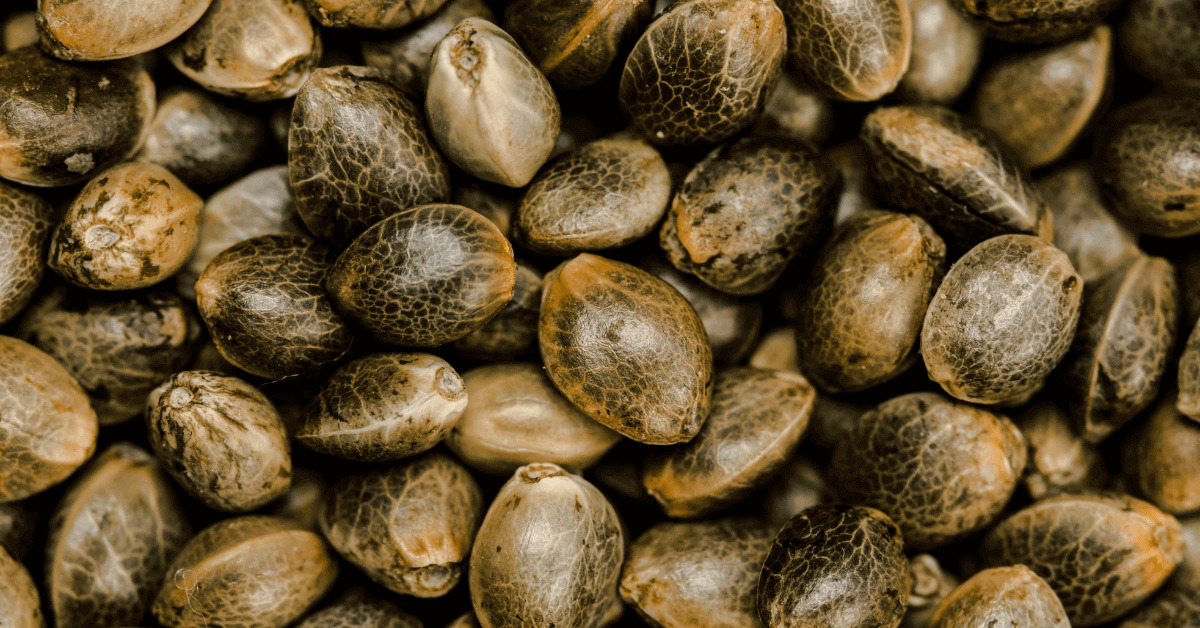
- Choose high-quality seeds: Selecting seeds from a reputable source is crucial for successful germination. Look for seeds with a dark brown or black color and a hard shell.
- Prepare a moist environment: Cannabis seeds require a moist environment to germinate. You can use a paper towel, peat pellets, or a seedling starter tray. Moisten the chosen medium and place the seeds about an inch apart.
- Maintain optimal temperature and humidity: The ideal temperature for germination is between 70-80°F (21-27°C), while the relative humidity should be around 70%. Use a heat mat and a humidity dome to maintain these conditions.
- Monitor the seeds: Check the seeds daily for signs of germination, such as the emergence of a taproot. Once the taproot is visible, it’s time to transplant the seedling into a suitable growing medium.
Seedling
The seedling stage begins once the taproot emerges from the seed and lasts for about 2 to 3 weeks. During this stage, the plant develops its first set of leaves, called cotyledons, followed by its true leaves. To care for seedlings, follow these guidelines:
- Provide adequate light: Seedlings require 18-24 hours of light per day. Use a full-spectrum LED or fluorescent light, positioned 2-4 inches above the seedlings to prevent stretching.
- Maintain proper temperature and humidity: Keep the temperature between 68-77°F (20-25°C), and the humidity at roughly 60-70%. Adjust your heat mat and humidity dome accordingly.
- Water cautiously: Overwatering can lead to root rot and other issues. Water the seedlings sparingly, ensuring the growing medium remains moist but not saturated.
- Monitor for pests and diseases: Inspect your seedlings regularly for signs of pests or diseases, and address any issues promptly.
Vegetative
The vegetative stage is a crucial phase in the life cycle of a cannabis plant, as it is when the plant focuses on developing its structure, including roots, branches, and leaves. This stage typically lasts between 3 to 16 weeks, depending on the strain and growing conditions. During this time, the plant requires specific care and attention to ensure healthy growth and a successful transition to the flowering stage.
- Lighting: During the vegetative stage, cannabis plants require ample light to support their growth. Provide 18 to 24 hours of light per day, using full-spectrum grow lights that mimic natural sunlight. This will encourage the plant to grow strong branches and large leaves, which are essential for photosynthesis.
- Temperature and Humidity: Maintain a consistent temperature between 70-85°F (21-29°C) and a relative humidity of 40-70%. This will create an optimal environment for the plant’s growth and help prevent issues such as mold and pests.
- Nutrients: Cannabis plants require a balanced mix of nutrients during the vegetative stage, with a focus on nitrogen, phosphorus, and potassium (N-P-K). Use a nutrient solution specifically designed for the vegetative stage, and follow the manufacturer’s instructions for proper dosage. Additionally, ensure that the pH of the nutrient solution is between 5.5 and 6.5 for optimal nutrient absorption.
- Watering: Water your cannabis plants regularly, ensuring that the soil remains consistently moist but not waterlogged. Overwatering can lead to a whole host of problems for your plant, so it’s essential to monitor the moisture level of the soil and adjust your watering schedule accordingly.
- Pruning and Training: Regular pruning and training during the vegetative stage can help maximize the plant’s yield during the flowering stage. Techniques such as topping, low-stress training (LST), and screen of green (SCROG) can help create an even canopy and encourage the growth of multiple colas.
Flowering
The flowering stage typically lasts between 7 to 9 weeks, depending on the strain of cannabis being grown. This is when the plant grows the highly sought-after buds. Indica strains generally have a shorter flowering period, ranging from 7 to 8 weeks, while sativa strains may take 9 to 10 weeks or more. It is crucial to be familiar with the specific strain you are growing, as this will help you determine the optimal time to harvest your plants.
During the flowering stage, cannabis plants require specific environmental conditions to thrive. One of the most important factors is the light cycle. To initiate flowering, cannabis plants need a 12-hour light and 12-hour dark cycle. This shift in light exposure mimics the natural change in daylight hours that occurs during the fall season, signaling to the plant that it is time to produce flowers.
Temperature and humidity also play a significant role in the flowering stage. Ideal temperatures range from 65 to 80 degrees Fahrenheit (18 to 26 degrees Celsius), with a slight drop in temperature during the dark period. Humidity levels should be gradually reduced throughout the flowering stage, starting at around 50% and decreasing to 40% by the final weeks. This reduction in humidity helps prevent mold and mildew growth, which can be detrimental to your plants.
Proper care during the flowering stage is crucial for a successful harvest. Here are some key tips to keep in mind:
- Nutrient management: Cannabis plants require different nutrients during the flowering stage compared to the vegetative stage. Specifically, they need higher levels of phosphorus and potassium, which promote bud development. Be sure to use a nutrient solution specifically formulated for the flowering stage and follow the manufacturer’s instructions for proper application.
- Pruning: Pruning your plants during the flowering stage can help direct energy towards bud production. Remove any dead or yellowing leaves, as well as any small, underdeveloped buds that are unlikely to mature fully. This will allow the plant to focus its resources on the larger, more promising buds.
- Support: As buds grow and become heavier, branches may require additional support to prevent them from breaking. Use stakes, trellises, or other support structures to help keep your plants upright and ensure proper airflow around the buds.
- Monitoring: Keep a close eye on your plants during the flowering stage, checking for signs of pests, diseases, or nutrient deficiencies. Address any issues promptly to prevent them from impacting the health and yield of your plants.
By understanding the nuances of the flowering stage and providing your cannabis plants with the proper care and attention, you can maximize your chances of a bountiful harvest. Remember that patience and diligence are key, as the flowering stage is the culmination of your efforts in growing weed.
Outdoor vs. Indoor Growing: Main Differences
While the growing stages of weed remain the same regardless of whether you grow indoor or outdoor plants, you will inevitably encounter some key differences between the final products depending on where you choose to grow them.
For starters, because of the lack of indoor constraints, outdoor plants usually tend to grow much larger than indoor-grown weed plants. Therefore, your outdoor yield could turn out to be much higher than if you chose to cultivate your weed inside. However, high quantity doesn’t necessarily mean high quality.
Indoor-grown buds have a reputation for being prettier, more dense, and overall better than their outdoor counterparts. Thanks to the highly controllable environments they grow in, they won’t look as worn-out and dark-colored as outdoor weed, which has to withstand all sorts of weather conditions, pests, and dirt before harvesting. The outdoor conditions also affect the flavor of weed – indoor buds will tend to come out tasting much better, and won’t smell of dirt as much as outdoor weed.
With all that said, however, it’s important to note that outdoor pot isn’t necessarily worse than indoor strains in terms of getting you high. After all, that depends on the THC content of the plant, which remains unchanged regardless of where it was grown.
Final Thoughts
Cannabis, just like any other plant, goes through a number of different plant stages before it is fully grown. You need to tend to it carefully at every step of the process if you want to enjoy delicious, high-inducing buds once the harvesting time rolls around. Aside from proper care when your plant is growing, one of the main factors affecting the quality of your weed are the seeds you plant. If you’re on the lookout for some top-shelf cannabis seeds, flower, or anything else weed-related, visit our website – we’ve got you covered!
If you want to start growing cannabis, then you probably already know that this process requires a lot of research and preparation before you can dive into actually planting the seeds and tending to your plants. It might be less difficult than cultivating other, more demanding plants, but the idea...
How to Top a Weed Plant: Topping Cannabis

Topping cannabis is one of the best ways to maximize yield and ensure your harvest is successful. This technique, known as topping, has been around for many years to encourage Cannabis plants to produce more high-quality cannabis plant buds.
The process involves pruning or cutting the main cola at the very top of the cannabis plant, thus forcing the cannabis plant’s top two or three side branches to divide and grow multiple colas.
Cannabis plant topping helps to promote a more even canopy across the cannabis plant and allows more sunlight to reach the lower-growing parts of the marijuana plant.
This leads to more bud sites. So stay tuned as we break down everything you need to know about topping cannabis plants.
What is Topping Cannabis Plants?
Topping Cannabis plants is a technique used to increase the weed plant’s yield by inducing rapid growth patterns. This occurs by cutting off the top of the main stem at the point where side branches appear.
This method helps the marijuana plant to produce multiple main stems and more branches, resulting in an overall bushier cannabis plant with more buds. Topping also helps to make light distribution more even and suppresses stem elongation, leading to denser buds.
By topping cannabis plants, professional indoor growers can expect a bigger yield, a more even canopy, and overall larger plants. The topping should get done when the cannabis plant has grown a few sets of side branches and is in a vegetative phase.
If your cannabis plants are healthy and the nodes are close together, you can top the plant multiple times, keeping it at a height that you are comfortable with. Topping cannabis plants is a great way to get top growth and overall quality of your cannabis plants.

How to Top a Weed Plant?
If you’re a cannabis grower, you know that topping is one of your cannabis plants’ most important steps in cannabis cultivation. Let’s explore topping weed plants.
1. Choose Your Topping Point
Before you start any topping process on your cannabis plants, it’s important to choose the right spot: Look for the main stem on your cannabis plants and determine the best location to break off the stem.
Aim for roughly five separate stems that sprout from the same point for a more even-sized top.
2. Gently Break Off the Stem
Once the cannabis plant topping point gets selected, grasp the stem with your thumb and forefinger and gently break it off. Make sure your hand motion is smooth and slow so as not to damage any of the buds that are still growing.
3. Remove Fan Leaves
Topping will generate excess fan leaves, which can block airflow, reduce light penetration and leave more resources for the more desired colas that are not touched. Removing these leaves will help your cannabis plants focus on the remaining branches’ growth.
4. Train the Remaining Colas
Topping your cannabis plants typically produces two new main stems that require shaping. To help with this, use plant training techniques such as bending, tying, or pruning the stems to manage and spread out the new main tops to get the maximum yield.
5. Continue Caring for Your Plants
After cannabis topping, your plants will require the same level of care. Monitor and care for it by providing proper watering, fertilization, temperature, and more light.
This will help ensure your cannabis plant can thrive and carry out the topping growth cycle.
When to Top Weed Plants: Finding the Right Timing
While topping may seem like an easy chore – it isn’t, at least not for your cannabis. While your weed plant is using all the nutrients to birth the flower buds, trimming it causes great stress.
Hence, if you don’t want to damage an already fragile plant, you have to top weed plants only at the right time. Here is how to tell when the time has come for topping.
The best times to top marijuana depend on multiple factors, including:
- the expected size of the weed plants,
- desired shape,
- amount of open space needed for light,
- and most growers’ experience level.
Generally, the best times to top marijuana plants are when the plant enters the vegetative cycle.
During the vegetative stage, the cannabis plant is pouring energy and putting on height to the main stem. The vegetative stage happens before the flowering phase.
Don’t worry if you think you may accidentally overlook the vegetative stage because it does not happen overnight. The “topping stage” lasts for about 2 to 6 weeks.
The Marijuana plants should be between one and two weeks old at this stage. Depending on the grower’s goals, marijuana plants can get topped more than once during the vegetative stage. Professional growers may prefer to top their cannabis plants two or three times to achieve optimal results.
Low-stress training (LST) can also create a four-way lateral growth, making for an even bushier plant. Another good time for cannabis topping is when plants have three to four nodes, and the main stalk is thickening.
Cannabis topping at this time will encourage a fuller bush, as buds will form on the marijuana plant rather than just the sides.
When to Top Weed Plant: Tips & Tricks
Counting the Nodes
For new weed growers, it’s understandable to be worried about understanding when the vegetative stage begins. Hence, there is a practical tip you can use in your practice to know exactly when to start topping weed plants. The method is to count the nodes.
When you look at the stem of cannabis, you will see branches on it forming in a node or in pairs. So, when you spot 4 nodes on a stem, it’s a good indication a beginning stage has begun.
Although the number of nodes may vary, the general rule is to wait for your plant to form 4 nodes. If the space allows, let your weed grow 6-8 nodes before topping it.
Counting the Weeks
We don’t expect you to track the growth of your weed in a calendar– although that’s not a bad idea. Counting the weeks is a great method to monitor each cycle, ensuring you know exactly when to top weed plants.
The seedling cycle usually takes up to 2 weeks, followed by the vegging cycle. The vegging cycle starts in the third week of growing cannabis, but it is better to wait until the fourth week when enough nodes are formed.
Checking the Height
The female tip is suitable for growers of bigger plantations of weed, where it is easier to compare the growth rate of each plant. The rule of thumb is to have your cannabis reaching 6-8 inches in height before topping it. If you monitor your plants’ growth only by their height, remember never to top your weed plants when they start flowering.
When to Stop Topping Cannabis Plants?
Topping cannabis plants should occur shortly after the vegetative phase begins, no more than a month in. Cannabis plant topping will cause it to grow more lateral stems and bush out instead of the main stem that continues to grow taller.
Topping a cannabis plant too early won’t have much of an effect, and topping it too late can cause it to go into shock, stunt its upper growth, and produce a lower yield.
Thus, it is important to time the cannabis plant topping correctly. If the cannabis plant has already reached a desirable height and the flowers are beginning to show, it is too late to top.
Topping can occur multiple times on a single cannabis plant to create a bushy shape with several stems. The last topping should get done when the central stem is about as thick as two of your fingers.
After the previous cannabis topping, no additional topping should take place. If the plant grows taller, the gardener can pinch off the tops of the uppermost branches and flower clusters to encourage new lateral growth.
Why Purchase Cannabis Seeds Online?
- Great variety: When shopping for cannabis seeds online, you can choose from an unlimited collection of various strains and varieties.
- Convenience: Online retailers offer a more convenient shopping experience. You can compare different seed strains and read detailed product descriptions in the comfort of your own home.
- Multiple payment options: Online stores also have a range of payment methods and delivery options to choose from, making the whole process hassle-free.
- Free materials: You can find an abundance of helpful advice and tips available for free when it comes to looking for the right strain.
- Customers’ reviews: You can find recommendations and reviews from other customers and information about the effects of different strains, the best growing techniques, and more.
Above all, online retailers provide safe and secure transactions. The website ensures that your information is protected and that all products are delivered in discreet packaging.
This way, you can purchase their premium weed seeds without worrying about their privacy or product quality.
Buy Premium Weed Seeds Online in Canada from Get Kush
In Canada, you can buy premium weed seeds at Get Kush. Search for premium weed seeds on the website. The platform has moderated product prices, making them accessible to everybody.
Or, if you want a wider selection, you can check out The Seed Pharm. On the website, customers can find many different varieties of premium marijuana seeds that suit their individual needs.
Online retailers, like those you can find at Atlantic Cannabis, also provide unlimited materials about various strains and their properties.
Start exploring today and find the perfect seeds for your needs!
References
Cannabis (Marijuana) and Cannabinoids: What You Need To Know. (n.d.). NCCIH. Retrieved January 5, 2023, from https://www.nccih.nih.gov/health/cannabis-marijuana-and-cannabinoids-what-you-need-to-know
The Seed Pharm. (2023, March 5). Buy Cannabis Seeds Online. Available at: https://www.theseedpharm.com/
Chandra, S., Lata, H., & ElSohly, M. A. (2020, June 26). Propagation of Cannabis for Clinical Research: An Approach Towards a Modern Herbal Medicinal Products Development. PubMed Central (PMC). Retrieved January 5, 2023, from https://www.ncbi.nlm.nih.gov/pmc/articles/PMC7333344/
Atlantic Cannabis (2023, March 5). Find Reliable Marijuana Dispensaries and Weed Delivery Services in Nova Scotia, New Brunswick, Newfoundland, and PEI. Available at: https://atlanticcannabis.net/
Marijuana Cultivation/Vegetative Growth – Wikibooks, open books for an open world. (n.d.). Marijuana Cultivation/Vegetative Growth – Wikibooks, Open Books for an Open World. Retrieved January 5, 2023, from https://en.wikibooks.org/wiki/Marijuana_Cultivation/Vegetative_Growth#Vegetative_Growth
Topping cannabis is one of the best ways to maximize yield and ensure your harvest is successful. This technique, known as topping, has been around for many years to encourage Cannabis plants to produce more high-quality cannabis plant buds. The process involves pruning or cutting the main cola at the...
Male vs. Female Weed: How to Tell if Your Plant Is Male or Female Before Flowering?

Cannabis is a dioecious plant species, which means that it produces gendered flowers. This fact sometimes shocks inexperienced producers. Cannabis displays sex cues relatively early, giving plenty of opportunity to spot and address potential problems.
The cannabis plant can also develop hermaphroditic characteristics under stress, showing both female and male sex parts. If you don’t purchase your cannabis seeds from a reputable seed bank, you can encounter a group of male plants that ruins an otherwise abundant crop.
However, thanks to modern breeding, you can purchase gendered cannabis seeds and grow a garden of entirely female cannabis plants.
This article will teach you more about male and female and hermaphrodite cannabis plants and how to differentiate them.
What Is a Cannabis Plant?
Cannabis is the collective name for a trio of psychoactive plants, that is, Cannabis Sativa, Cannabis Indica, and Cannabis Ruderalis. The dried flowers of this plant, seed oil, and other cannabis plant parts are used for recreational and therapeutic purposes.
It can have a pleasant effect and may ease the signs of certain illnesses, such as chronic pain. It’s also administered in Canada to treat various illnesses, such as chronic pain, glaucoma, and anorexia.

What Is a Female Cannabis Plant?
In their first six weeks of existence, marijuana plants, both male and female, will be identical. You won’t be able to tell them apart until later when they produce buds, and their sex organs have started to mature. Male and female cannabis plants produce buds.
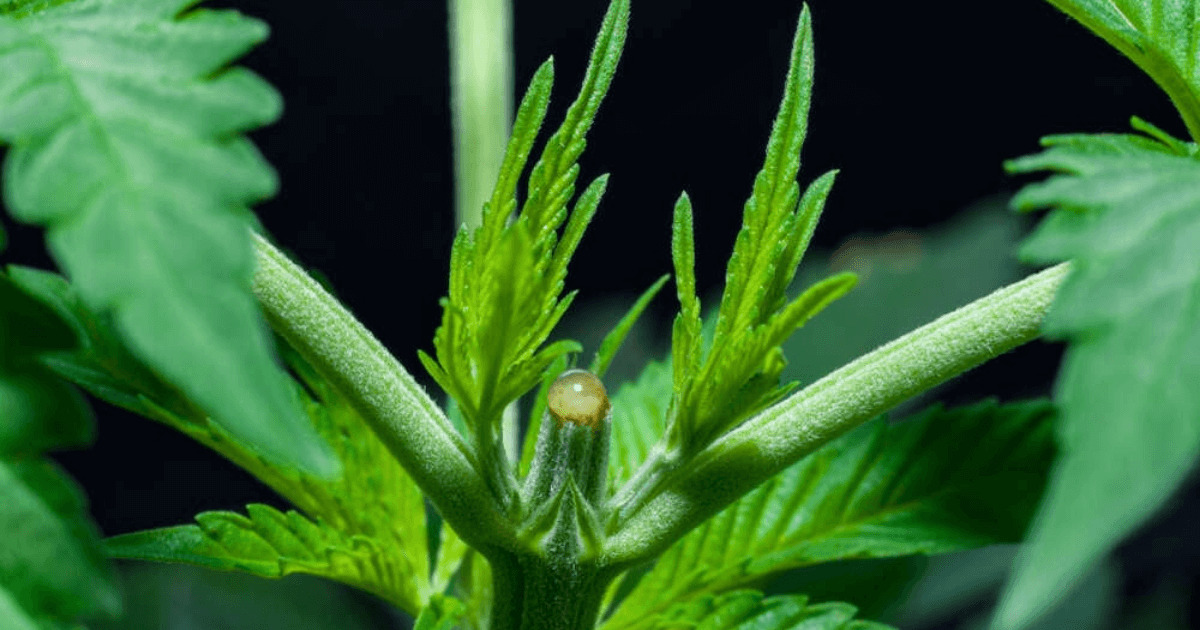
However, female cannabis plants are typically regarded as more desirable. Female pre-flowers appear as two white hairs (stigma) emerging from a green, globular calyx.
What Is a Male Cannabis Plant?
A male Cannabis plant is responsible for the production of pollen grains. Male marijuana plants typically have between five to nine leaflets, typically one to two less than female plants. Instead of buds, male cannabis plants release pollen sacs. Typically, male plants are thrown away since you don’t want the male flower to pollinate the female flower of the cannabis plants and create seeds.
Pre-flowers, for instance, can be used to identify male marijuana plants. In fewer than four weeks during the vegetative stage, male cannabis plants begin to produce pre-flowers. Pre-flowers generally develop toward the top of the plant closest to the light, in the “V” formed by the stems and stalks. There are also small sacs on the male pre-flowers.
How to Tell the Difference Between a Male and Female Marijuana Plant?
A month after germination, while the cannabis plant is still in the vegetative stage, young plants first exhibit gender-specific traits, also known as pre-flowers. This type of pre-flower can bloom as soon as six weeks after germination.
The male flowers can’t be distinguished from the female flowers for up to six weeks. Although the gender indicators can be subtle, a committed cannabis gardener can recognize them with practice.
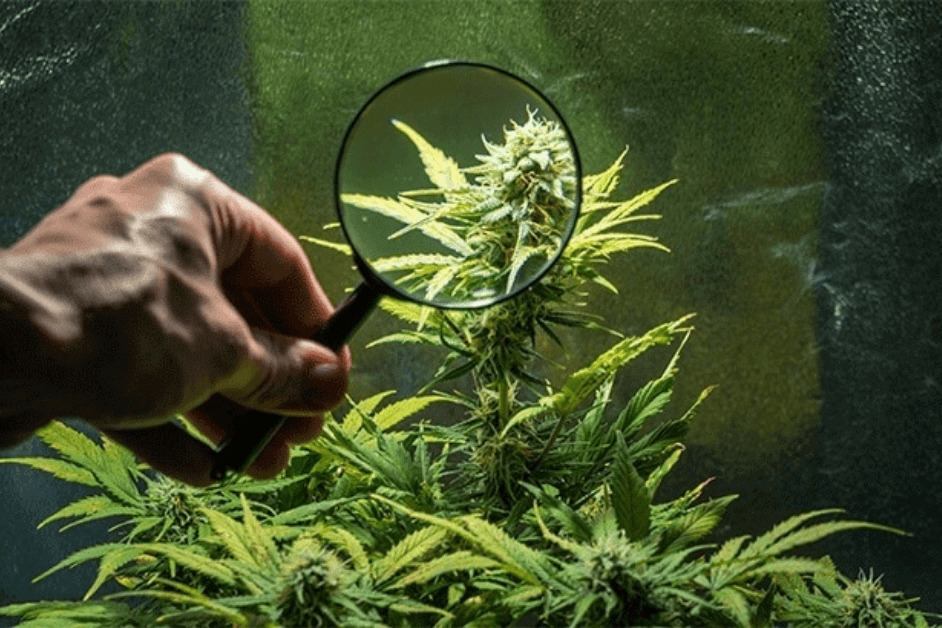
Since it might be challenging to tell pre-flowers apart from the naked untrained eye, a magnifying lens may be helpful. The stalks of male plants are heavier, thicker, and have fewer leaves. A similar-strain female will be shorter, bushier, and have more leaves, particularly near the top. Check the stalk’s joints for tiny, white hairs.
Best Ways of Sexing a Cannabis Plant
Marijuana sexing involves identifying the gender of the cannabis. Although cannabis can have hermaphrodite plants (containing pistils and stamens in the same plant), most plants are either male or female. You shouldn’t have to worry too much about sexing your cannabis plants if you are using feminized seeds.
There is a slight probability that a feminized seed would grow a male plant, albeit this is not guaranteed. Occasionally, most growers who raise hundreds of plants might get a rare male cannabis or a hermie plant.
You should segregate your plants to eliminate the male plants before producing the seeds and pollinating the female flowers. If this happens, the female plants begin to produce seeds, which will take their energy away from producing THC.
However, the chances of growing just female plants when you grow cannabis from ordinary seeds are not in your favour. You’ll eventually meet some male plants. Therefore, you need to understand how to sex your cannabis plant.
Additionally, you need to plant a few extra seeds because you will remove some since they are male on a 50/50 basis. Male cannabis plants interfere with the quality and output of your female plant and are less appealing. Pollen is produced by male plants that develop pollen sacks.
Where Do You Look?
Gender is expressed in male and female plants, and even hermaphrodite plants, via the tiny structures on the stalks of young plants. Between the stems and the branches, pre-flowers grow. First to display this development are the higher portions closest to the sun or your grow lights. You need to learn about cannabis plants’ overall anatomy to sex them appropriately.
Both males and females produce pre-flowers and flowers at the intersections of stems or branches. The first pre-flowers usually appear near the top of the plant, in the crook between the main plant stalks and a fan leaf stem. The good news is that males often mature and show before females do.
When Do You Look?
This depends on your growth system, but in either case, you may unwind for up to 6 weeks following germination. Pre-flowering occurs at various times in weed plants, both male and female. Males begin to develop in as little as three to four weeks after vegging.
Pre-flowers are another early indicator of female plants, although they don’t appear for another thirty to forty days after germination. Early identification ensures you can quickly separate the male cannabis plants from the females.
It will not only help to safeguard your female plants but also save you the time, money, and effort required to care for male plants that you do not want to preserve.
How to Identify a Male Cannabis Plant
The male preflower, early pollen sacs, merely resemble a rounder variant of the female preflower component very early. It is frequently referred to as a “spade,” just like the spade suit of playing cards, which is short, bulbous, and has a small point. The male preflower looks like a ball at the end of a stick as it gets a little bigger.
How to Recognize a Female Cannabis Plant
The very first female cannabis pre-flowers, in contrast, have a more oval form, like a pear, but with a longer, thin pointy tip, her calyx. A pair of pistils or protrusions may resemble white hairs at the apex of the calyx. Please be aware, nevertheless, that not all female cannabis plants in the pre-flower stage produce pistils.
What Should You Do if a Male Marijuana Plant is Discovered?
Grow your male and female cannabis plants as usual if you intend to breed cannabis for seed production. Don’t just relocate them to the adjacent room; call it a day. The best thing to do is to throw them away. The pollen can travel in the wind even if you move the male plant to another area of your yard.
However, if you have neighbours living nearby who pollinate female plants, the male plants don’t have to go to waste. The male plant’s broken bits can be used as mulch for other plants. Additionally, you can prepare juice from nutrient-dense leaves.
Where to Buy Cannabis Seeds Online in Canada?
It has never been simpler to buy marijuana seeds online. However, ordering them from Get Kush is an ideal option for you to find top-grade cannabis seeds. With one order, you could taste quality Cannabis seeds.
References
Civantos, D. (n.d.). How to Tell Whether a Cannabis Plant is Male, Female, or a Hermaphrodite. Available at: https://www.dinafem.org/en/blog/differentiate-cannabis-plant-male-female/?amp
The Seed Pharm. (2023, February 1). Buy Cannabis Seeds Online. Available at: https://www.theseedpharm.com/
Photoperiodic responses of hemp. (1954, September 1). Botanical Gazette. Available at: https://www.journals.uchicago.edu/doi/abs/10.1086/33584
Leafly. (2022, September 17). Marijuana Anatomy | Different Parts of a Cannabis Plant. Available at: https://www.leafly.com/learn/growing/marijuana-plant-anatomy
Weed List. (2023, February 1). Buy Weed Online in Canada. Available at: https://weedlist.org/product-category/seeds/
The difference between male and female weed plants. (2022, May 4). Blog de Grow Barato. Available at: https://www.growbarato.net/blog/en/how-to-sex-marijuana-plants/
Cannabis is a dioecious plant species, which means that it produces gendered flowers. This fact sometimes shocks inexperienced producers. Cannabis displays sex cues relatively early, giving plenty of opportunity to spot and address potential problems. The cannabis plant can also develop hermaphroditic characteristics under stress, showing both female and male...
- Accessories
- Cannabis
- Cannabis Education
- CBD
- Concentrates
- Edibles Archive
- Featured Business
- Growing
- Marijuana
- Marijuana in Canada
- Marijuana Laws
- Medical Marijuana
- Pets
- Pre-rolls
- Promotions
- THC Archives
- Uncategorized
- Vaping Archives
- Vaping Archives
- Weed Delivery
- Weed Edibles
- Weed Stock
- Weed Store
- Weed Strain Reviews
- Weekly Promotions
- Beyond the Puff: Exploring Get Kush’s Diverse Cannabis Consumption Methods
- Ounce Deals in Canada (2025): The Smart Shopper’s Guide to Zips, QPs & Half Pounds
- Exploring CBG, CBN, and THCV: New Frontiers in Cannabis Benefits
- Black Friday Rewards
- Identifying High-Quality Cannabis Flower: AAAA Weed and Beyond
- How to Clone a Weed Plant
- Important Shipping Update – We’re Keeping Your Orders Moving
- Weed Delivery in Guelph: The Best Local Options
- Is Weed a Depressant or a Stimulant?
- Exploring the Benefits of Sativa Strains: Energy, Creativity, and Clarity
- The Complete Sativa Guide: Effects, Benefits, Appearance, and Cultivation
- Understanding Terpene Profiles in Cannabis Strains: How They Affect Flavour, Aroma, and Effects
- The Ultimate Guide to Cannabis Strains: Indica, Sativa, and Hybrid Explained
- Comprehensive Guide to Indica Weed: Effects, Benefits, and Unique Traits