
Hash vs Weed: Key Differences, Effects, Potency & How to Choose (Complete Guide)

If you’re exploring cannabis—whether you’re brand new or looking to try something stronger—you’ve likely come across two common terms: weed and hash. While both come from the same cannabis plant, they offer very different experiences in terms of potency, flavour, and how they’re used.
This comprehensive guide will walk you through everything you need to know about hash vs weed, including how they’re made, how they differ, and how to choose the right option for your needs. By the end, you’ll have a clear, practical understanding of each—and feel confident deciding which one suits your preferences.
What Is Weed (Cannabis Flower)?
When people say “weed,” they’re typically referring to the dried flower buds of the female cannabis plant. This is the most traditional and widely used form of cannabis.
Key Characteristics of Weed
- Form: Dried and cured buds (flower)
- Source: Cannabis sativa, indica, or hybrid plants
- THC Content: Typically ranges from 10% to 30%
- Consumption Methods: Smoking, vaping, or edibles
Weed is valued for its natural terpene profile, which gives each strain its unique aroma and flavour. It’s also generally considered the most approachable form of cannabis, especially for beginners.
What Makes Weed Unique?
Unlike concentrates, weed contains the full structure of the plant, including cannabinoids, terpenes, and plant material. This creates what many users describe as a more balanced, nuanced experience.
What Is Hash (Hashish)?
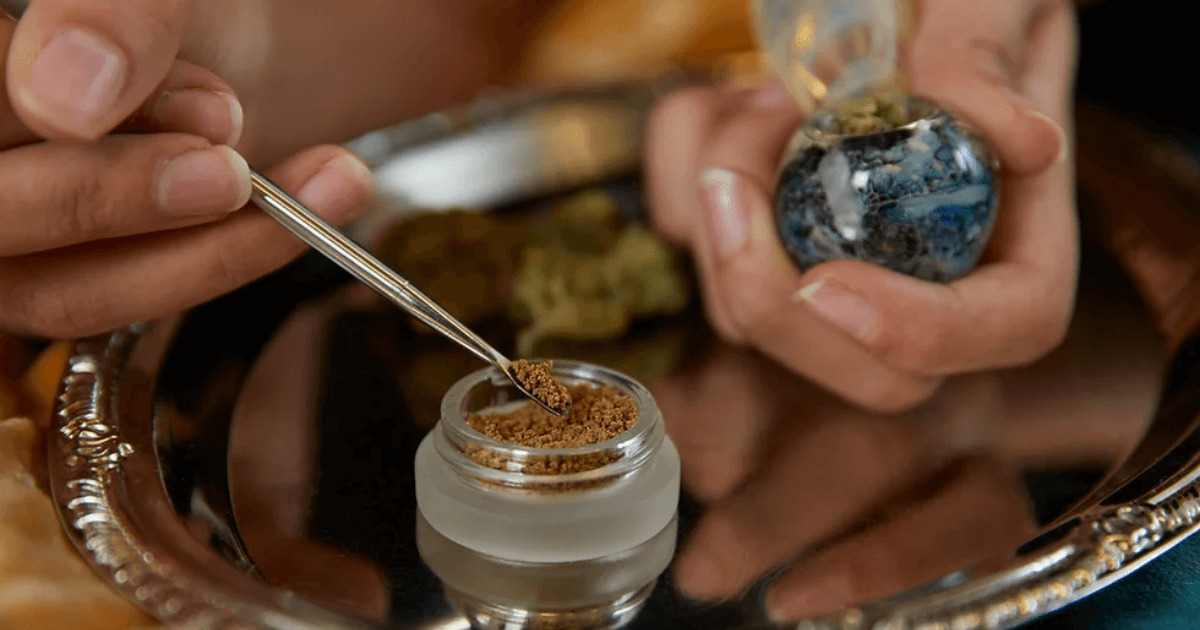
Hash, short for hashish, is a concentrated cannabis product made from the resin (trichomes) of the plant.
Trichomes are the tiny, crystal-like glands found on cannabis flowers. They contain the highest concentration of cannabinoids like THC and CBD.
Key Characteristics of Hash
- Form: Compressed resin (blocks, balls, or paste)
- Source: Extracted trichomes
- THC Content: Often 40% to 80% (varies by method)
- Consumption Methods: Smoking, vaping, or adding to flower
Why Is Hash Stronger?
Because hash is made by isolating and compressing the most potent parts of the plant, it delivers a more concentrated dose of THC, resulting in stronger effects.
Hash vs Weed: Side-by-Side Comparison
Here’s a clear breakdown of the key differences:
| Feature | Weed (Flower) | Hash |
| Form | Dried buds | Compressed resin |
| THC Level | 10–30% | 40–80% |
| Potency | Moderate | High |
| Processing | Minimal | Extracted & pressed |
| Flavour | Strain-dependent | Rich, resinous |
| Best For | Beginners | Experienced users |
How Weed Is Made
Weed requires relatively simple processing compared to hash:
- Cannabis plants are grown and harvested
- Female flower buds are trimmed
- Buds are dried and cured
- Final product is packaged and ready to use
This minimal processing is why weed retains its natural characteristics.
How Hash Is Made (Simple Breakdown)
Hash production involves extracting trichomes and compressing them into a concentrated form.
Common Methods
1. Dry Sifting
- Cannabis is gently agitated
- Trichomes fall off and are collected
- Material is pressed into hash
2. Ice Water Extraction (Bubble Hash)
- Plant material is mixed with ice water
- Trichomes separate and sink
- Collected and dried into hash
3. Hand-Rolled Hash
- Trichomes are collected manually (traditional method)
- Resin is rolled into balls or blocks
Each method affects the final texture, potency, and flavour.
Effects: How Do They Feel Different?
Weed Effects
Weed typically provides a gradual onset with a balanced experience.
Common effects include:
- Relaxation
- Mild euphoria
- Enhanced sensory perception
- Increased appetite
Because of its lower THC concentration, weed is often easier to control in terms of dosage.
Hash Effects
Hash delivers a stronger and faster-acting experience.
Common effects include:
- Intense euphoria
- Deep relaxation
- Strong body effects
- Longer-lasting high
For some users, especially beginners, hash can feel overwhelming if not used carefully.
Which Is Stronger: Hash or Weed?
Hash is significantly stronger than weed.
This comes down to THC concentration. While weed may contain up to 30% THC, hash can reach much higher levels due to its concentrated nature.
That said, strength also depends on:
- Individual tolerance
- Method of consumption
- Dosage
Where Do Concentrates and THC Oil Fit In?
To understand the bigger picture, it helps to place weed and hash within the broader cannabis spectrum:
Weed (flower) → Hash (traditional concentrate) → Advanced concentrates (wax, shatter, THC oil)
THC Oil Explained
THC oil is a liquid cannabis extract often used in vape cartridges or tinctures. It’s typically even more refined than hash and can be highly potent.
Who Should Choose Weed?
Weed is often the best choice if you:
- Are new to cannabis
- Prefer milder, controllable effects
- Enjoy flavour and aroma from different strains
- Want a wide variety of options
Who Should Choose Hash?
Hash may be a better fit if you:
- Have experience with cannabis
- Want stronger effects
- Prefer a more concentrated product
- Are looking for a longer-lasting high
Safety & Responsible Use
Because potency varies significantly, it’s important to use cannabis responsibly.
Key Tips
- Start low and go slow
- Use small amounts, especially with hash
- Avoid mixing with alcohol
- Know your tolerance level
Higher THC levels can lead to:
- Anxiety
- Dizziness
- Overwhelming effects (for beginners)
Flavour and Terpenes: What to Expect
Weed
- Wide range of flavours (citrus, pine, earthy, sweet)
- Strong terpene diversity
Hash
- Rich, deep, resinous taste
- Often more concentrated flavour profile
Your preference will depend on whether you value variety (weed) or intensity (hash).
Common Ways to Use Weed and Hash
Weed
-
- Smoking (weed pre-roll joints, pipes, bongs)
- Vaping
Hash
- Mixed with flower in a joint or bowl
- Vaporized
- Dabbed (depending on type)
Legal Considerations in Canada
Cannabis is legal in Canada, but regulations vary by province. Always:
- Purchase from licensed dispensaries
- Follow local possession limits
- Consume responsibly
Choosing Quality Products
Whether you choose weed or hash, quality matters.
Look for:
- Lab-tested THC levels
- Clear product descriptions
- Reputable dispensaries
- Freshness and proper storage
A trusted online dispensary like Get Kush offers a wide range of cannabis flower, hash, and concentrates—making it easier to find products that match your experience level and preferences.
Frequently Asked Questions
Is hash stronger than weed?
Yes, hash is more potent due to higher THC concentration.
Can beginners use hash?
Yes, but it’s best to start with very small amounts.
Does hash last longer than weed?
Typically, yes—the effects can be stronger and longer-lasting.
Is hash safer than weed?
Neither is inherently “safer”—it depends on dosage and responsible use.
Final Thoughts
Both weed and hash come from the same cannabis plant, but they offer very different experiences.
- Weed is more natural, approachable, and flavourful
- Hash is more potent, concentrated, and intense
Understanding these differences helps you make smarter choices based on your goals, tolerance, and preferences.
If you’re exploring cannabis products in Canada, platforms like Get Kush make it easy to browse different options—from classic flower to potent hash—so you can find what works best for you.
Bottom Line
- Weed = natural, milder, beginner-friendly
- Hash = concentrated, stronger, experienced users
Choose based on your comfort level, desired effects, and how you prefer to consume cannabis.
Disclaimer: This article is for informational purposes only. Always follow local laws and consult professionals if needed.
References:
Department of Justice. (2021, July 7). Cannabis Legalization and Regulation. Available at: https://www.justice.gc.ca/eng/cj-jp/cannabis/
Amandolare, S. Medically Reviewed by Shruthi N, MD. (2024, November 4). Marijuana (Weed) Strains. Available at: https://www.webmd.com/pain-management/cannabis-weed-strains
Tennant FS, Groesbeck CJ. Psychiatric effects of hashish. Arch Gen Psychiatry. 1972 Jul;27(1):133-6. Available at: https://pubmed.ncbi.nlm.nih.gov/5032722/
Dr. Leslie Lars Iversen, CBE FRS MAE
If you’re exploring cannabis—whether you’re brand new or looking to try something stronger—you’ve likely come across two common terms: weed and hash. While both come from the same cannabis plant, they offer very different experiences in terms of potency, flavour, and how they’re used. This comprehensive guide will walk you...
What Is Hash and What Does It Look Like

With the increasing popularity of cannabis, it should come as no surprise that more and more forms of cannabis are making it into the mainstream market – and hashish is one of those. Although, just like cannabis, hashish has been used for quite some time now in a number of ways, its peak with the general public happened after the legalization of marijuana.
However, what even is hash? And how does it differ from other cannabis forms? That’s what we’ll be discussing here.
Key Takeaways
- Hash is a type of cannabis concentrate made using the trichomes – the most potent part of the cannabis plant, as that’s where the cannabinoid is produced.
- Hash tends to have a higher concentration of THC and CBD due to the part of the plant it is made from.
- There isn’t one specific hash appearance – hash can have a number of colors and textures.
- There are two main types of hash that can be differentiated by the collect method – dry sift hash (collected using fine mesh screens) and bubble cash (collected using ice cold water).
- Although sometimes used interchangeably, hash and weed are not the same. Hash is more potent and is made of a different plant part.
- Like weed, hash also has a number of side effects, including distorted perception, nausea, vomiting, increased appetite or extreme sleepiness.
- Hashish can be addictive, but the addiction is mostly psychological, not physical.
What Is Hash?
Hash, or hashish as it is also sometimes called, is a type of cannabis concentrate made of the most potent part of a cannabis plant – the trichomes. If you’re wondering what they are, they are tiny structures located on the surface of a cannabis plant. They are responsible for producing the most valuable element of the cannabis plant – the cannabinoid, so either THC or CBD depending on the cannabis strain.
Although hash is typically associated with THC, you can also find CBD hash. While, contrary to a popular misconception, both CBD and THC are psychoactive ingredients as they both affect your brain, the way each of them affects the body is a bit different. For one, instead of a “high” typically associated with any cannabis product, CBD makes you feel more relaxed.
What Does Hash Look Like?
There isn’t one specific way a hash will look – not only can it have a number of consistencies, but also colors, ranging from brown and black to yellow, green and also transparent. In shops, you will most likely encounter it in a ball or brick shape.
Types of Hash
There are two main types of hash, and they differ from each other by the harvest method.
- Dry sift hash – In this case, refine resin glands are collected using fine mesh screens.
- Bubble hash – also known as ice water hash, is collected by placing the buds in ice cold water, freezing the trichomes.
What Is the Difference between Marijuana and Hash?
Although weed and hash are sometimes used interchangeably, that is not correct – there are actually quite a few differences between the two.
The main one is what they are made of. Weed is made by dried parts of the cannabis plants, including the flowers, buds and stems, meanwhile hash is made of the resinous parts of the plant. As resin has a much higher concentration of THC than the rest of the plant, hash is also a lot more powerful than weed.
Hashish – Side Effects
Similarly to marijuana, hashish also can cause some side effects you should be aware of, so that you know when asking for help is needed. We can divide them into two categories – short-term, which should pass within hours of days of consuming hashin, and long-term, which can either develop later on, or early on and just not pass.
For short-term side effects, the most common ones include memory and learning problems, as well as distorted perception, loss of coordination and physical reactions such as an increased heart rate and blood pressure. Anxiety and panic attacks might also occur.
| People who have just consumed hashish should by no means be driving a car, as hash can alter their ability to make decisions, therefore increasing the potential of getting into an accident. |
Some other common side effects include nausea, vomiting, increased appetite or extreme sleepiness.
As for long-term effects, while we have an idea about what they might be, more research is still needed. At the moment, however, it looks like hash and marijuana provide similar long-term side effects, which include:
- Lowered immune system resulting in being more prone to getting common illnesses like colds or bronchitis.
- Slowed down testosterone production and lower sex drive.
- Respiratory issues.
- Psychological issues, including apathy or lack of motivation.
- Mood changes.
Is Hash Addictive?
Yes, hash can be addictive. However, it is different compared to other drugs, as it does not result in a physical addiction. Instead, it affects the brain in a way that makes you crave the euphoria and relaxation you feel when taking it, often causing you to not be able to go a day without feeling it, making consuming hashish a habit rather than a treat.
The Bottom Line
Hashish is becoming a more popular choice of cannabis consumption as years go by, mostly to its higher potency compared to most other cannabis products – since, as mentioned, it is made from the part responsible for cannabinoid production, you get the best of the best when it comes to potency.
Although, we have to mention here that the strain of cannabis used in hash production also plays a significant role in the potency, so in some rare cases, cannabis flower can actually be more potent from hashish if from a stronger strain.
Either way, hashish is definitely here to stay, so if you want to try it out too, make sure to always get it from a reputable source. Since cannabis is legal in Canada, you have access to a number of legal quality sources, for example dispensaries like Get Kush.
At Get Kush, we make sure to only store hashish that we can vouch for – we pay special attention to any product we consider adding to our selection, so you can sleep soundly knowing all the products we have have been hand selected by us. We believe that there’s no reason to offer poor-quality products.
So, take a look at our selection of hashish products and find the one to try today!
Hash – Frequently Asked Questions
Can you consume raw hash?
Consuming hashish in raw form is not recommended – not only will it most likely not provide the results you’re looking for, but you might also upset your stomach while doing it.
How to check if hash is of good quality?
To check the quality of your hash, you can perform the so-called “bubble test”. Grab a piece of hash and apply clean flame (for example from a butane lighter) to it. If it bubbles and gives white smoke, you have good-quality hash. If it doesn’t, and instead you are left with a black residue and it gives off black smoke, then it most likely has contaminants.
Is hash legal in Canada?
Yes, as mentioned before, Canada has legalized cannabis a while ago. So, yes – hashish is completely legal in Canada.
With the increasing popularity of cannabis, it should come as no surprise that more and more forms of cannabis are making it into the mainstream market – and hashish is one of those. Although, just like cannabis, hashish has been used for quite some time now in a number of...
Kief vs Hash
Kief vs Hash

Cannabis enthusiasts are always looking for new and innovative ways to enhance their smoking experience. Two popular methods are kief and hash, but what exactly are they, and what’s the difference between the two?
In this article, we’ll dive into the world of kief and hash, covering everything from their composition to their benefits and uses. Whether you’re a seasoned smoker or new to marijuana, this comprehensive guide will give you all the information you need to understand the differences between hash and kief.
What is Kief?
Kief is a collection of cannabis trichomes, which are the sticky, resin-producing structures on the leaves and flowers of the cannabis plant. Trichomes contain high concentrations of cannabinoids and terpenes, which are the active compounds responsible for the plant’s therapeutic and psychoactive effects.
Kief crystals can be collected from dried cannabis buds by using a herb grinder with a kief catcher for collecting kief or by manually scraping the resin glands from the plant material. The result is a fine powder that is highly potent and can be used in a variety of ways, including sprinkling it on top of regular buds in a joint or bowl, using it to make your own hash, or even as an ingredient in cannabis edibles.

What is Hash?
Hash, also known as hashish, is a cannabis concentrate made from compressed kief. The process of making hash involves separating the trichomes from the plant material, then pressing and applying heat to form a solid, concentrated mass. The end result is a sticky, resinous substance that is typically brown or black in colour.
Hash is known for its intense high, with a high concentration of THC and other cannabinoids. It can be consumed in a variety of ways, including smoking it in a dab rig on its own or mixing it with pre-rolls. Bubble hash has a long history of use in many cultures and remains a popular choice among cannabis consumers today.
How is Kief Made?
As mentioned earlier, Kief is a powdery substance made from the trichomes of cannabis plants. Trichomes are small, resin-secreting structures on the surface of the buds and leaves that contain the plant’s psychoactive compounds and aromatic terpenes.
To make kief, the trichomes are separated from the rest of the plant material through mechanical means such as dry sifting or using herb grinders with a kief catcher. The resulting powder is kief and can be used for various purposes, including as a potent addition to ground flowers in joints, bowls, or edibles.
How is Hash Made?
Hash is a form of concentrated cannabis made from the compressed and purified trichomes of the plant. The process of making hash typically involves collecting trichomes, either through dry sifting or using ice water extraction, and then pressing and heating the collected trichomes to create a solid, concentrated product.
The specific methods and variations of making hash can vary, but the goal is to create a product that contains a high concentration of the plant’s psychoactive compounds and aromatic terpenes. The resulting hash can be smoked or vaporized and is often considered to be more potent than unprocessed cannabis flowers.
How are Kief and Hash Related?
Kief and hash are related because hash is made from kief. Kief is a collection of trichomes, the sticky part of the cannabis plant, that contains high concentrations of cannabinoids and terpenes. Hash is made by compressing kief into a concentrated, solid mass. The process involves separating the trichomes from the plant material and then pressing and heating them to form the final product.
In other words, hash is a concentrated form of kief. The two products are different in their consistency, potency, and uses, but they are both derived from the same source – the trichomes on the cannabis plant.
What is the Difference Between Kief and Hash?
Kief and hash are both cannabis products made from the trichomes of the plant, but there are some key differences between them.
Consistency: Kief is a powdery, fine substance, while hash is a solid, concentrated mass.
Potency: Hash is typically more potent than kief due to its concentrated nature. Hash can have THC levels ranging from 20% to 60%, while kief typically has THC levels of around 15% to 30%.
Process: Kief is collected directly from the dried flowers, while hash is made by compressing kief into a solid mass.
Uses: Kief can be sprinkled on top of flower in a joint or bowl, used to make hash, or even as an ingredient in edibles. Hash can be smoked on its own or mixed with flower in a glass pipe or joint.
Both kief and hash are valuable products in their own right, offering unique benefits and uses. The choice between the two often comes down to personal preference and the desired effect.
Where to Buy Kief and Hash and other Cannabis Concentrates Online in Canada?
Buy Kief, hash oil, wax, and bubble Hash online in Canada at Get Kush. Get Kush is a renowned online dispensary that has been providing quality cannabis products to the Canadian market for many years. We offer a wide range of strains, edibles, concentrates, and accessories at affordable prices. We strive to provide our customers with an exceptional shopping experience by delivering their orders within 2-3 days of placing them.
Conclusion
Kief and Hash are two popular forms of concentrated cannabis that offer different experiences and benefits. Kief is made from the trichomes of dried cannabis flowers and is typically lighter in colour and texture. Hash, on the other hand, is made by compressing kief into a denser form and can come in a variety of colours and textures. Both Kief and Hash offer a potent and quick-acting high, with Hash, like Happy High Hash, generally being stronger due to its compression and purification process. Whether you choose Kief or Hash ultimately depends on personal preference and the desired effects you are looking for in your cannabis experience.
References
Leafly. (January 10, 2022). What is kief, and how can you use it? https://www.leafly.com/learn/consume/smoke/what-is-kief
Daily Marijuana. (2023, March 5). Buy Cannabis Concentrates Online in Canada. Available at: https://dailymarijuana.io/shop/cannabis-concentrates/hash/
Weed Delivery Vancouver. (2023, March 5). Buy Happy High Hash Online in Canada. Available at: https://weeddeliveryvancouver.io/product/happy-high-hash-premium-lebanese-hash/
Wikipedia. Hashish. https://en.wikipedia.org/wiki/Hashish
Cannabis enthusiasts are always looking for new and innovative ways to enhance their smoking experience. Two popular methods are kief and hash, but what exactly are they, and what’s the difference between the two? In this article, we’ll dive into the world of kief and hash, covering everything from their...
- Weekly Promotions
- What Is Hemp and How Is It Different from Weed?
- Weed Symbols and Emojis: What They Mean
- How to Identify Different Types of Cannabis Leaves
- What Is a Weed Grinder and Do You Need One
- Indica vs. Sativa for Sex: Which One’s Better?
- How to Make Weed Brownies That Actually Hit
- How to Use THC Tinctures: A Beginner’s Guide
- Weed Delivery in Ottawa: Who’s the Most Reliable?
- Weed Pipes vs. Bongs: What’s the Difference?
- The Weed Stock Market: Trends and Forecasts
- What Is Weed Wax? Concentrates Explained
- Understanding the Marijuana Plant Lifecycle
- Where Is Weed Legal in 2026? A Complete Global Cannabis Laws Guide
- The 8 Best Weed Strains for Daytime Focus (No Brain Fog or Burnout)


